
Listen to Executive Director Gabriel Nathan read this post aloud:
Dubious of Disclosure: Delving into my Depression
by Miriam Beigelman
I caved to mental health stigma. I wish I hadn’t, but I did. I was in my early forties and not yet married. My mother suggested I have my depression recovery story, published here on this very site, deleted. She thought it was hindering my chances of meeting eligible men. Unfortunately, she was on to something. Soon after, my friend, Rachel, tried to set me up with a gentleman. When he refused to date me, she asked him why. Google her name is all he said. After Rachel read my essay, she called me in a panic, urging me to remove my story. I felt judged. I felt hurt. I felt angry. When my mother agreed this was the right move, my body tingled in shame. I sent an email to Gabe, the Executive Director of Recovery Diaries, asking him to remove my essay. Thankfully, he declined my request, but I felt embarrassed that I had asked. I had betrayed my community—those suffering from mental illness.
Since then, I have challenged mental health stigma. I have shared publicly about my bouts with depression. I consider this a notch in my belt. When I was recovering from depression, this became a refrain in my family’s home. When I accomplished a difficult task, my father would quip, “This is a notch in your belt.” Initially it was meant as a joke, but it soon became a mantra that motivated my recovery.
The greatest “notch in my belt” was marrying my husband over five years ago. On our second date, I shared my journey through depression with him. He listened intently and asked sensitive questions. I sensed no judgment in his voice. Accepting me for who I am was his rite-of-passage for me to marry him.
And he still doesn’t judge me, though I wonder if he really gets the depth of my struggle. At first, he resisted reading my essay, saying that the past doesn’t matter. When he said this, I felt invisible. The past is what makes my present. I am me because of what I experienced, I shouted, reclaiming my existence.
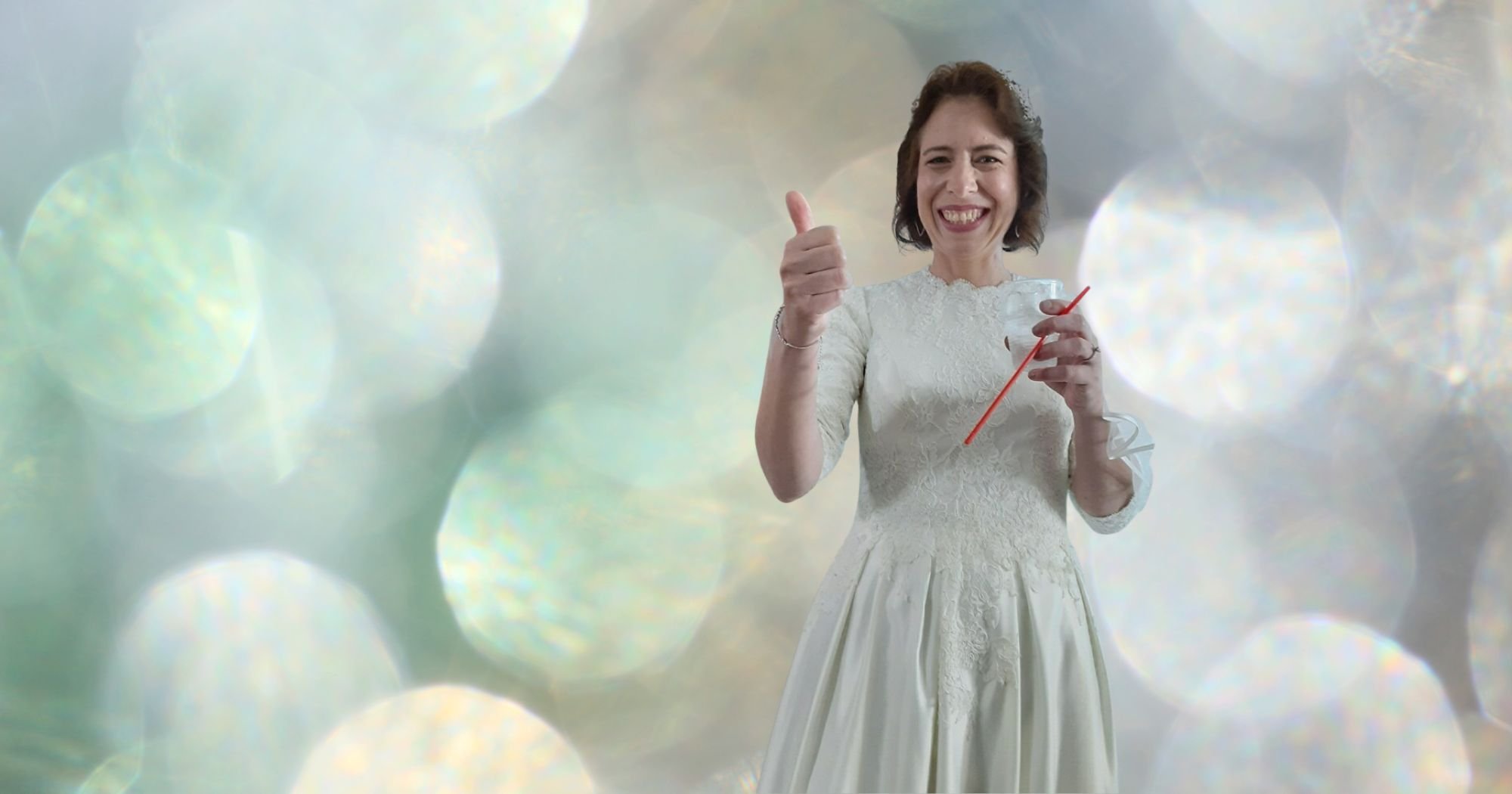
My husband did agree to read my essay. He got to know me in a deeper way and appreciates me even more, as he got to see how I became who I am. Although he is still not one to dwell on the past, he knows that my journey with depression has made me a stronger and more sensitive woman. He has commented, “You know how to empathize with me. Do you think it has to do with your experience with depression?” When he asked me this, I felt seen.
My problem is that I buy into the myths about mental illness, too. Experiencing depression was beyond my control, yet there is a nagging feeling that it was my fault. Experiencing depression is not a sign of weakness, yet there is a belief somewhere in me that, if I would have been more together, it would not have ripped me apart. Depression is an illness that affects an organ, the brain, just like other organs of the body, yet there is a nagging feeling that taking medication is shameful. It is time for me to burn these myths in the nearest fire pit.
I have a friend who battled anorexia as a teenager and young adult. She has integrated this part of her. She speaks about her experiences and professionally works with those suffering from eating disorders. I envy her bravery. She is a champion in breaking mental health stigma. When I heard her share her story with my psychology class, I envied her comfort with herself. I envy her work with her clients. I envy her clarity about her life’s mission. I continue to search for mine.


8 Tips for Telling Your Own Story
Do you have a story to tell? Chances are, you do. This free guide will walk you through our Editor in Chief's top suggestions.
I toy with many ideas; writing a book, publicly speaking about my challenge, being a therapist who specializes in depression. Although currently I do not see clients, I think about these things and continue to trip over stigma. Is it okay to write a book under a pseudonym? What would be the point? Wouldn’t that be feeding the shame of mental illness? Can my clients know about my challenge with depression? What would they think? Would that undermine me as a therapist? I am in the process of resolving these questions.
Call me old-fashioned, but I am dubious of self-disclosure. It has its place, but it is complicated. Before disclosing, I ask myself, will this help my client? Often the answer is not clear-cut.
For some clients, sharing about my depression will be validating for them. It will also deepen our relationship. Other clients will feel invalidated. They will feel, “Just because you went through depression doesn’t mean you understand what I am going through.”

When hearing about my depression, some clients will trust me more. They will think, “She knows what it means to struggle.” Other clients will trust me less. They will say, ”How can she help me if she struggles with mental health herself?”
In my close-knit community, where perfection is an (elusive) virtue, sharing about my depression is emotional nudity. I wish it weren’t so. Because so many people struggle and we would all feel less alone if we shared with each other. Let’s start now.
There are women from my community who have shared personal details of their journeys and I admire them for it. They are brave. Unfortunately, I am inhibited for fear of being judged. I work on this every day and see consistent improvement. One day I will write a book about my journey through depression with all of the gory details. I will use my real name: Miriam Beigelman.
Meanwhile, I am figuring out what my next step is. Where do I pour my experience and knowledge with mental health? Do I have a responsibility to help others with their struggles? Part of me wants no part in it. When I talk with a friend about her struggles, I revisit my own pain. I fantasize about working in a flower shop. Arranging daffodils and sunflowers is happy and uncomplicated. Mental illness, not so much.
However, surviving depression has given me superpowers that others do not have. I know how to empathize deeply. I am not afraid of pain. I can sit in darkness and be hopeful that the sun will shine again. I have grit. Painstakingly, I put one foot in front of the other until it no longer hurts to walk.
I have experienced an emotional earthquake and rebuilt myself even stronger. I went through trauma and emerged even happier and healthier. I am the poster child for Post Traumatic Growth. Depression was the most terrifying experience but it was also transformative. I won’t let mental health stigma rob me of that.
EXECUTIVE DIRECTOR / EDITOR: Gabriel Nathan | DESIGN: Leah Alexandra Goldstein | SITE ORIGINATOR: Bud Clayman
See Related Recovery Stories: Anxiety, Depression, Mental Health First Person Essays, Trauma

You bring up a lot of good points to consider before disclosing to clients. One thing you didn’t touch on is how colleagues can respond to a disclosure of depression for mental health clinicians. Although it is changing, there can be a lot of stigma and taboos about this.
Clinicians shouldn’t have to choose between their own mental health and their livelihood. Thanks for being here!
Oh Miriam… looking without we find judgement (good and bad), but looking within we find a path to love and peace. To some degree we all walk your path until we learn that there is power in owning our stuff with courage and dignity. Many times I have shared my story – experiences that illustrate how mental health can touch the lives of anyone unexpectedly and with rapid and devastating pain… but also with growth and humour that builds strength and compassion. Without exception, people I’ve spoken with are interested, open minded, fascinated even and often know someone close who has similar struggles but who they have never had the opportunity to learn about or understand. It is nice to help others and have a goal to serve and support… but I would look to your heart and what YOU want most in life for yourself. Life is beautiful when joy springs forth from our heart!
Thanks for showing what genuine support actually is! Thanks for being here.